Imagine this: you fall asleep in Paris and wake up to views of the ocean in Biarritz... Night trains are making a strong comeback across Europe, attracting more and more travelers who want to reduce the carbon footprint of their trips while enjoying a unique experience. But to make the most of this mode of transport, a bit of preparation is key.
Taking your first night train journey soon? Discover all our tips below for a relaxing and hassle-free trip.
1. Choosing the right seat or cabin
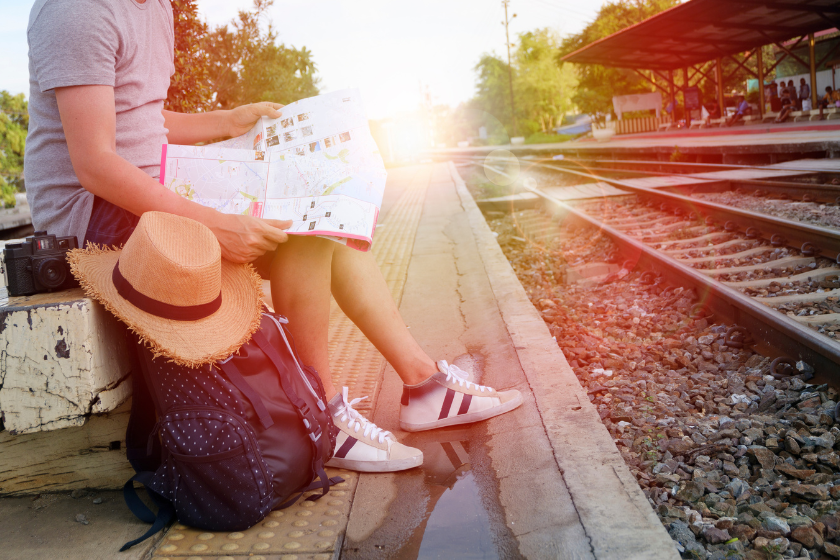
Even before you board your night train, your comfort will largely depend on the type of ticket you book: reclining seat, sleeper berth, private cabin, etc. This will depend on the country you’re traveling in.
For example, on SNCF trains in France, comfort varies by class:
- Seated places: the cheapest option, these are reclining seats with footrests and adjustable headrests. These are best avoided if you have trouble sleeping while sitting up.
- 2nd class sleepers: shared compartments with 6 beds. Booking a berth includes extra amenities such as a blanket, pillow, etc.
- 1st class sleepers: shared compartments with 4 beds. You’ll get the same accessories and comfort as in 2nd class.
- Private compartments: if you're traveling with others, you can book an entire compartment in either 1st or 2nd class. Ideal for privacy and comfort!
- Women-only compartments: compartments that are available exclusively for women (and children under the age of 12). Just tick “women-only space” when booking online. This service is free of charge.
Every country will offer their own options, so make sure you do your research in advance. Then make your selection according to whether you’re a light or heavy sleeper, and your budget.
💡
Good to know if you’re traveling in France:
> Upper berths offer more space to sit upright and extra room for personal items.
> Lower berths are easier to access and save you from climbing a ladder.
> When booking on SNCF, you can check the “bottom berth only” option if preferred.
> Upper berths offer more space to sit upright and extra room for personal items.
> Lower berths are easier to access and save you from climbing a ladder.
> When booking on SNCF, you can check the “bottom berth only” option if preferred.
2. What to pack for a night train?
The success of a night train trip depends largely on what you bring with you. Here's a checklist of must-haves to keep within easy reach during the journey.
Sleep essentials
If you're a light sleeper, these accessories are key to creating a sleep-friendly environment:
- A sleep mask
- Earplugs or noise-canceling headphones
- A small blanket or shawl
- A travel pillow
- Warm socks, especially if you get cold easily (trains can be chilly)
- Comfortable clothes (leggings, sweatshirt, etc.)
💡
Good to know: On many night trains around the world, you’ll benefit from complimentary “night kits” if you’re in a sleeper or private compartment. For example, SNCF in France provides passengers in these compartments with an eye mask, earplugs, tissues, refreshing wipes and more.
Check what’s on offer with the relevant train provider, but to maximize your comfort, we’d recommend bringing your own mask and earplugs.
Check what’s on offer with the relevant train provider, but to maximize your comfort, we’d recommend bringing your own mask and earplugs.
Hygiene and wellness essentials
To start your day fresh and feeling good, bring a morning refresh kit:
- Toothbrush and toothpaste
- Refreshing wipes or a damp washcloth
- Hand sanitizer
- Deodorant
- A small bottle of thermal water spray
Entertainment essentials
If you struggle to fall asleep, don’t hesitate to bring something to keep you busy:
- A paperback or e-book/ Kindle
- Downloaded podcasts
- A headtorch or clip-on reading light to avoid disturbing other passengers
Snacks
Most train companies offer breakfast, lunch, dinner and snack options onboard. Check what’s included with your ticket based on your chosen class.
Even so, we recommend bringing a bottle of water and a few snacks just in case, so you don’t have to get up during the night.
💡
Tip: bring your reusable water bottle and containers to avoid single-use packaging and travel zero-waste (or as low as possible)!
Other essentials not to forget
Additional accessories for your comfort:
- Charger and/or power bank
- International travel adapter (if you’re traveling in a country where this might be needed)
- Credit card and/or local currency
- Your train ticket and your ID
💡
Tip: keep all night-time essentials separate in a pouch or small bag, so you don’t have to rummage through your whole luggage. Consider securing your belongings with a small lock too.
3. Managing your sleep
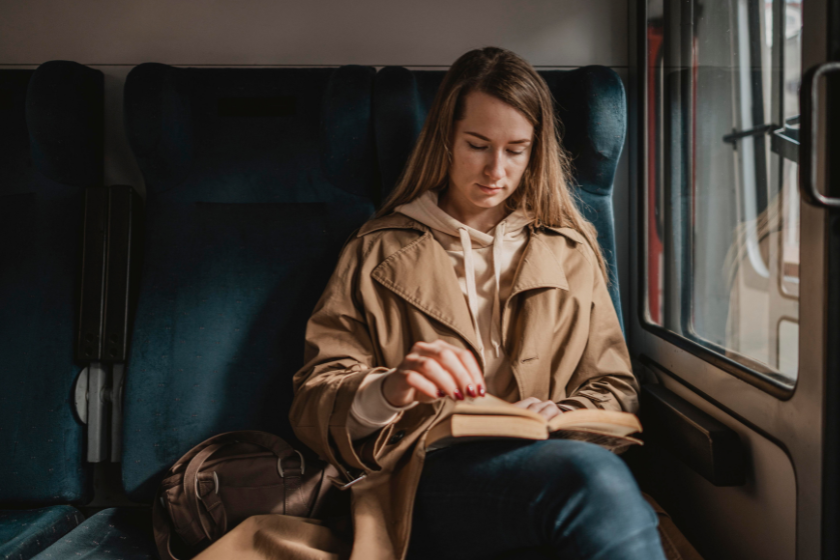
As magical as the experience may be, falling asleep on a train isn’t always easy — especially for light sleepers.
These tips can help you have the most restful night possible:
- Avoid heavy meals before boarding.
- Do some light stretching before bed: take a few minutes to stand and stretch.
- Relax before sleeping: breathing exercises, reading, or calming music can help.
- Avoid screens 30 minutes before sleeping to preserve your circadian rhythm.
- Switch to night mode, even on the train: change into sleepwear, brush your teeth and follow your usual bedtime routine.
💡
Tip: use a white noise or guided meditation app to help you fall asleep in unfamiliar surroundings.
4. Preparing for the unexpected
Even with good planning, small hiccups can happen. Here’s how to avoid them:
- Lock your cabin from the inside.
- Secure your luggage with a small lock and keep valuables on you (travel belt, fanny pack etc).
- Take an anti-nausea pill or mild sleeping aid if you’re prone to motion sickness or insomnia (after consulting a doctor).
- Set an alarm if you're getting off before the final stop.
👍
Good to know: In some countries, you can ask the train manager to wake you up 30 minutes before arrival. That way, you can rest easy without fearing you’ll miss your stop.
5. Upon arrival: wake up gently
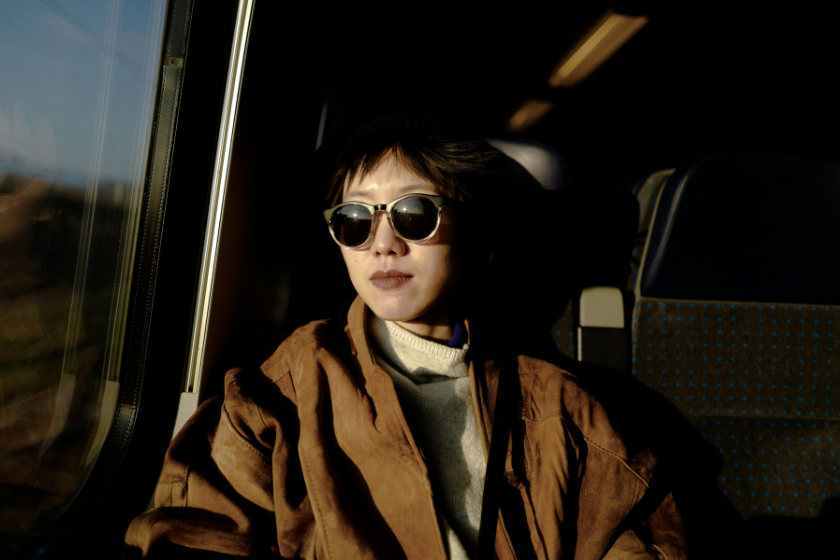
Waking up on a train can feel a bit abrupt, especially with early arrivals.
Here are a few tips to start your day off right and put you in the tight frame of mind to explore your new destination:
- Wake up at least 30 minutes before arrival to stretch, freshen up and gather your things.
- Eat a light breakfast if you have a busy day ahead.
- If you’ve got plans right away, schedule a quick coffee or rest break when you arrive.
👍
Did you know? For added comfort, some train stations around the world offer free shower facilities for 1st class night train passengers. For example, Toulouse and Paris-Austerlitz stations in France offer shower facilities with everything provided, including shower gel, shampoo, towels and hairdryers. It’s the perfect way to start your day feeling fresh.
In summary: a quick night train travel checklist
🚂
> Book the right seat
> Prepare an accessible night bag
> Pack comfort and hygiene essentials
> Create a sleep routine
> Anticipate any issues (alarms, safety, documents)
> Plan for a smooth arrival
> Prepare an accessible night bag
> Pack comfort and hygiene essentials
> Create a sleep routine
> Anticipate any issues (alarms, safety, documents)
> Plan for a smooth arrival
Well-planned, a night train journey can be a truly unique experience: slower, more scenic, more eco-friendly, more convenient (you don’t lose a day to traveling) and more cost-effective (no need to pay for a hotel for the night).
So… are you ready to hop aboard?!
🌳
Curious about your ecological footprint? Calculate the footprint of your trip!
🚂
Other articles about trains that might interest you:
> Traveling around Europe by train
> 10 of the most beautiful train journeys in Europe for your next vacation
> European rail passes for cheaper rail travel
> Interrail: 10 tips to know before you start!
> Traveling around Europe by train
> 10 of the most beautiful train journeys in Europe for your next vacation
> European rail passes for cheaper rail travel
> Interrail: 10 tips to know before you start!