When we talk about home exchanging, we often think only of the accommodation itself. But a successful exchange also depends on all the little touches that transform a simple stay into a warm and comfortable experience. So, in practical terms, what else can you lend or exchange besides your home? Here’s an overview of the best ideas, as well as some testimonials from our members, to enrich both you and your guests’ experiences!
🏠
With HomeExchange, discover a way of traveling that values sharing and hospitality, far beyond accommodation.
1. Transportation

Offering a means of transportation can make life easier for your guests, especially if your home is in the countryside or far from public transport links.
Car
When HomeExchange members travel to their hosts' homes by train (which we strongly encourage!), their cars stay in the garage. Lending your vehicle is probably the gesture that most facilitates your guests' stay. Regardless of whether the exchange takes place in the city, the countryside or the mountains, the loan of your car is both practical and economical for visiting the surrounding area.
💡
Good to know: car loans are not covered by HomeExchange guarantees.
Find all the essential information you need to organize a car exchange with peace of mind and avoid any misunderstandings.
Find all the essential information you need to organize a car exchange with peace of mind and avoid any misunderstandings.
Bicycles
Cycle tourism is on the rise, especially among our members! Whether riding around town or exploring the local bike paths, lending your bike allows members to discover their destination at a slow pace, and contributes to the growth of more sustainable tourism.
To ensure member safety, remember to lend helmets and locks, and check the condition of your bikes before lending them.
💡
Good to know: bikes are not covered by HomeExchange's guarantees. We recommend that you clearly communicate the terms and conditions of the loan.
Read our dedicated article to find out everything you need to know: “Lending your bike as part of a home exchange.”
Read our dedicated article to find out everything you need to know: “Lending your bike as part of a home exchange.”
Sustainable transportation isn't limited to bikes. Why not let your guests enjoy other means of transport, if you have them? Great examples of this are an electric scooter, rollerblades, skateboards, or even a rowing boat if you live by the water, and local sights can be reached by boat.
“During one of our last exchanges, we were left a motorboat to visit ‘The Hortillonnages of Amiens’. It was great” - Catherine
👍
Tip: always indicate the condition of the equipment and safety instructions.
Non-nominative travel passes or cards
This is a real bonus in big cities. If you have reloadable cards and tickets without a name (e.g. local bus cards, the Oyster Card in London, T+ card in Paris, TBM card in Bordeaux etc.) you can leave them for your guests to use during exchanges.
In addition to being a small eco-friendly gesture, this will save guests from having to pay for a new card that will only be used for a few days.
2. Sports and leisure equipment

If you enjoy the great outdoors or indoor leisure activities, why not share your equipment? This could even be an opportunity to introduce new people to your passion!
- Backpacks: to make it easier to organize walks and hikes.
- Mountain equipment: skis, snowshoes, sleds, hiking poles, backpacks, walking shoes etc.
- Beach equipment: surfboards, paddleboards, masks and snorkels, bodyboards, canoes, beach towels, umbrellas, folding chairs etc.
- Board games and indoor leisure activities: puzzles, card games, books, game consoles etc.
All these small sports and leisure items contribute to the success of the exchanges and help your guests create lasting memories.
👍
Tip: you can even prepare a small “leisure kit” depending on the season. For example, a picnic basket in summer or a backpack with a thermos and binoculars for the winter months.
“We lent our winter jackets to a Spanish family so they could go to the Aiguille du Midi in 7-degree weather in the middle of July! And the family had prepared their beach cart for us with everything we needed inside, buckets, beach towels, etc. So handy!” - Lou
3. Equipment for children and babies

If you have children, you probably know how much of a logistical headache going on vacation can be. There are endless lists of things to bring for your little ones, and forgetting a toy or essential item can ruin the trip...
So, if you already have some equipment on site, you might as well share it with the families you host!
- Strollers, car seats, travel cots, high chairs, bottle warmers, baby monitors...
- Toys, stuffed animals, children's books, outdoor games and board games...
- A children's corner in the house: a space set up with a few games, books, or drawing materials can make all the difference.
👍
Tip: clearly indicate what is available in your home listing, and specify if certain items need to be handled with care (e.g. a vintage crib or fragile toys).
4. The kitchen and simple everyday pleasures

A well-equipped kitchen is often what makes a home exchange truly enjoyable. It allows guests to cook with local products, prepare their favorite dishes to feel at home, and avoid having to go out to a restaurant for every meal.
Here are a few ideas for what could be made available:
- Appliances: food processors, mixers, blenders, coffee machines, griddle pans etc.
- Practical equipment: children's tableware, cooler, lunch box, airtight containers etc.
- Basic products: salt, oil, vinegar, coffee, tea, spices etc. You can even leave a little note saying “Help yourself”.
- Local specialties: why not leave a bottle of wine, homemade jam or a local speciality? These are small gestures that always make a lasting impression.
- Small homemade dishes: some members even go so far as to prepare meals or fill the fridge with a few local products to make their guests' arrival easier.
- Share produce from your vegetable garden: it’s nice to make homegrown vegetables, herbs or fruit available if they’re ready to be harvested.
👍
Tip: if you lend fragile or valuable equipment, leave clear instructions to avoid any problems. Similarly, if you want your guests to avoid using certain equipment, valuable crockery etc, remember to notify them of this.
“Our pizza oven! We strongly encourage our guests to use it, providing instructions and a pizza dough recipe. It can be intimidating at first, but our guests this summer made good use of it and really enjoyed it!” - Florine
"I share my huge garden, its fruit trees, the vegetable garden and its vegetables, and all kinds of great places to visit... I almost forgot: a meal that I’ve prepared. The same thing happened in Sardinia: a sumptuous meal. And lots of fun." - Violette
5. Gardening, DIY, and maintenance equipment

Some travelers enjoy gardening, while others simply need a tool for a small DIY project.
Here is a short list of equipment, accessories, and tools that may be useful during an exchange:
- Lawn mower, watering can, gardening tools, gloves: depending on the length of their stay, your guests may need to water the plants or do a little gardening/vegetable gardening.
👍
Tip: as always, remember to leave clear instructions (“Water the fig tree once a week”) and discuss these requirements with your guests before the exchange to avoid any unpleasant surprises.
- Basic DIY: screwdriver, tape, light bulbs, and multi-outlet power strips — these essentials are often useful.
- Garden equipment: barbecue, garden furniture, hammock, inflatable pool, outdoor games (mollky, petanque, frisbee etc) — these extras make a stay much more enjoyable.
6. Leisure passes, guides and local tips

Here are a few ideas to make a vacation more enjoyable and authentic:
- Maps, tourist guides, hiking guides, local brochures will often be helfpul.
- List of your favorite places to go: restaurants, markets, cafes, artisan producers, secret beaches, walks, little-known viewpoints etc.
- Practical list: market hours, taxi contacts, bike rental companies, doctors, veterinarians, etc.
- All kinds of leisure passes: if they are not personalized, feel free to leave your passes for museums, parks etc.
👍
Tip: you can create a small “welcome book” to leave on your coffee table with all the information your guests need to settle in, including your favorite addresses, emergency numbers, etc.
"I've lent out our ski season passes, water park passes and museum passes. I loved it when someone lent us their public transportation pass in Montreal and their museum pass." - Cassandra
7. Useful little loans and special touches

Consider the little items that your guests might have forgotten to pack or simply couldn’t take with them.These details can make all the difference:
- Technical clothing for unpredictable weather: raincoats, warm coats, rain boots... so guests can explore their destination with peace of mind, whatever the weather.
- Umbrellas, waterproof backpacks...
- Sunscreen, beach bags, picnic blankets...
- Headlamps, candles, binoculars, thermoses...
You can take sharing even further with these small gestures and thoughtful touches:
- Books or films about your region, to help your guests immerse themselves in the local culture.
- A Netflix or Spotify subscription, or a local library card for cozy evenings or rainy days.
8. The unusual!
Our members are never short of good ideas for their exchanges. Here are some of their testimonials:
- How about exchanging... your children? Yes, home exchanges can also be an opportunity to organize a language study trip. What better way to learn a new language than by immersing yourself in the daily life of a family?
"Our daughters were welcomed by a Spanish family with twins, as part of a language study trip... then we hosted them in the same way" - Isabelle
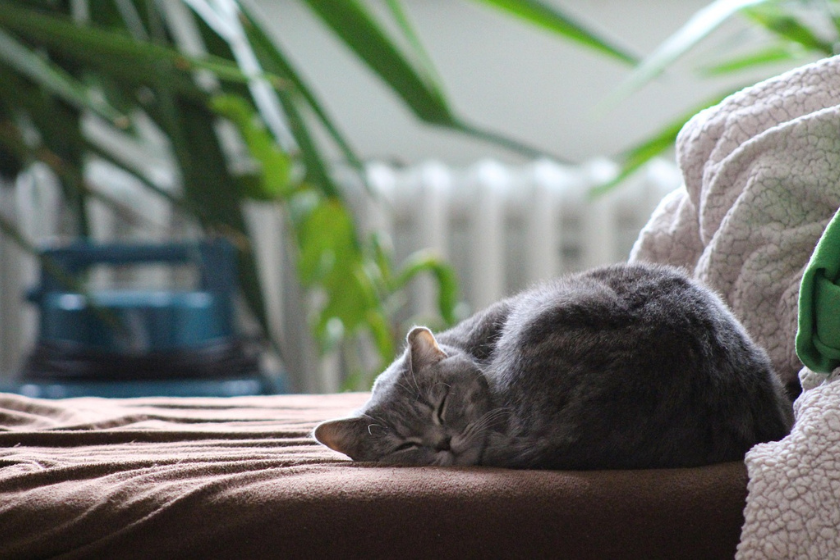
- Do you have pets and don't always know how to have them looked after during the holidays? With HomeExchange, you can ask members who come to your home to take care of your pet while you're away. Animal lovers are usually delighted to look after your dogs, cats, and other pets.
“The family car, the transit pass, discount vouchers, bikes, surfboards, and even more recently, the dog.” - Valentin
“Go-karts, bikes, fishing rods, but also chickens, goats, cats, rabbits.” - Claire Lise
In short: lending extends the spirit of home exchanging
HomeExchange is above all an encounter between two lifestyles. Sharing is one of the fundamental values of this way of traveling, and it goes far beyond the walls of your house or apartment.
By lending a few items, you allow your guests to discover your daily life, experience the region like a local, and above all, leave with a smile!
What you offer is not just accommodation: it's a human experience.
And that's precisely what makes traveling through HomeExchange so rewarding.
“This summer, we did a reciprocal exchange with a lovely family from Quebec who shared our outlook. They lent us:
Their car (and we lent them ours)
The refrigerator with groceries for the week, including local products (we did the same, which is great because we didn't waste time in stores looking for things we couldn't find, and we discovered new food habits!!!).
The cooler and ice packs (it may seem trivial, but it was very handy for picnics!).
For our part, we left them the electronic toll payment device.” - Aurélie
Sharing apps: why not extend these habits to your everyday life?
The spirit of sharing doesn't stop at home exchanges!
More and more apps are encouraging the sharing of objects, services and tips between neighbors or travelers. These platforms promote the same approach: a collaborative and sustainable lifestyle.
- WeArePoppins: an app dedicated to lending and exchanging items between individuals. Handy for borrowing a drill, a stroller or a kitchen appliance.
- Partage Club: a community sharing network for the loan of sports equipment, tools or even board games between neighbors.
- Local groups (Facebook, Nextdoor, etc.): these facilitate lending between residents and are full of great tips for local life.
💡