Electric cars have grown rapidly in popularity in recent years, including among members of the HomeExchange community. If your home exchange includes the use of an electric vehicle, there are a few important precautions to keep in mind. From safety and clear communication to fair use of resources, here are some best practices for a smooth and successful electric car exchange.
In this article:
- Best practices for home and electric car swapping
- General tips for preparing for your electric car trip
- Conclusion: why communication and respect are key to a successful swap
🚗
Looking for tips to make your experience safer and easier? Follow this guide!
Home exchanging and electric cars: best practices
There are several scenarios when a home exchange involves the use of an electric car:
- You’re hosting guests who are traveling with an electric car, and you have a charging station at your home.
- You’re traveling with your own electric car to a host who may or may not have the necessary charging equipment.
- You’re combining your home exchange with a car exchange, where at least one of the cars is electric.
Whatever your situation, it’s important to discuss a few key details before the exchange to avoid any misunderstandings or tension. Let’s take a closer look.
1. Safety: Don’t plug your vehicle in just anywhere

One of the most common and dangerous mistakes is plugging an electric vehicle into an unsuitable outlet. While every home has standard electrical outlets, not all of them are designed to handle the prolonged load of several hours of charging.
An unsuitable setup can lead to:
- Damage to the vehicle
- Overheating of the electrical system
- Power outages
- In extreme cases, even a fire
What to do:
- Make sure the host provides a compatible, good-quality charging cable.
- Only use outlets or chargers that the host has designated for vehicle charging.
- Whenever possible, use proper charging stations, whether at home or public locations.
What to avoid:
- Improvising with an extension cord or an unprotected outdoor outlet.
2. Communication: The key to a smooth exchange
Trust in any exchange starts with clear communication. Before your stay, whether you’re the host or the guest, and whether it’s your car or your host’s car, make sure the details about charging the vehicle are discussed.
If you’re a guest, here are some questions to ask your host:
- Is there a charging station at the home, and if so, may I use it?
- What type of plug is available?
- Are there any restrictions on when I can charge (for example, off-peak hours or considerations for neighbors)?
- Are there cards or passes available for nearby public charging stations?
Clear, transparent communication is key. If in doubt, a brief written guide or note from the host explaining how to charge the car can make the process much easier for everyone.
3. Recharging costs: Plan ahead to avoid misunderstandings

Generally, additional costs related to a home exchange are not passed on to guests. At HomeExchange, the only authorized fees are cleaning fees (see our FAQ).
For example, if you have a charging station at home, you can absolutely let your guests use it free of charge. If you’d like to charge for its use, that falls outside the scope of HomeExchange and must be agreed upon directly between host and guest.
To avoid any confusion, we strongly encourage discussing charging costs openly before the exchange. Clear communication, common sense, and mutual respect will help prevent unpleasant surprises.
Tips for car exchanges involving an electric vehicle:
- If you use your host’s electric car for long distances, plan to recharge it at your own expense at public charging stations.
- Return the car with the same charge level it had when you received it, just as you would with the fuel level when renting a car.
Tips if you’re traveling with your own electric vehicle:
- Communicate upfront about your car’s average charging costs and confirm that your hosts are comfortable with you charging it at their home.
- Follow any instructions or advice your hosts share about using their charging setup.
- Whenever possible, use public charging stations to reduce the burden on your hosts.
As the issue of costs can be sensitive, communication is key.
👍
Remember: transparency and mutual respect are essential values in every home exchange.
4. Finding charging stations: Useful tools to know
For longer trips or stays without a home charging station, several apps and websites can help you easily locate nearby charging points:
- Google Maps: Simply search for “electric vehicle charging stations” to see nearby options.
- Chargemap: A go-to resource in Europe, offering practical details such as location, charging speed (standard or fast), connector type (and whether a special cable is required), user reviews, and even real-time availability.
Don't hesitate to ask your host if they have an electric vehicle, as they will be the best person to tell you about nearby charging stations for exploring the area.
💡
Good to know: In France, around 130 motorway service areas are equipped with charging stations.
Some general tips for preparing for your electric car trip
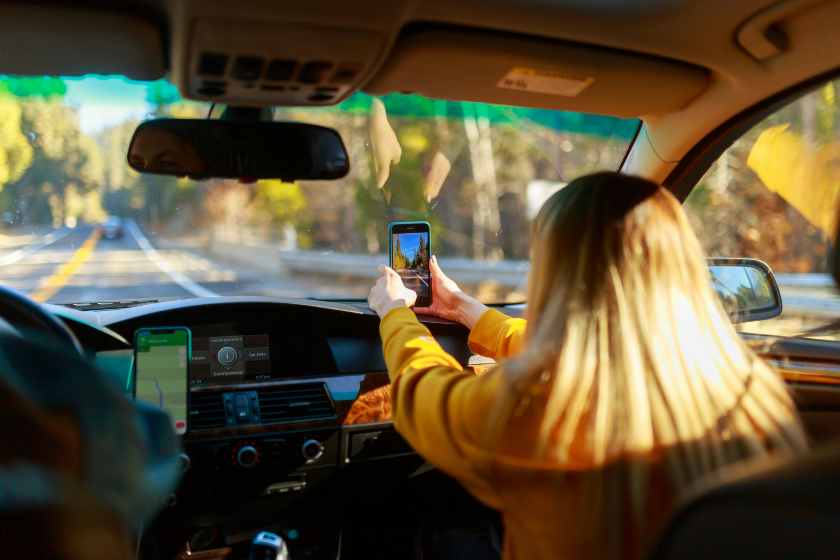
- Plan your route: Remember to check the charging stations available along your route so you can plan relaxing charging breaks and avoid having to improvise last-minute stops to recharge your battery.
- Know yourl range: Before setting off, find out the vehicle's range based on driving style and weather conditions. Heating or air conditioning can also affect the battery.
- Adjust your driving: The way you drive can have a significant impact on the range of your electric battery. To maximize its range, it is best to drive at a constant speed and avoid sudden acceleration.
- Allow for a margin: Avoid waiting until the battery is almost empty to look for a charging station, especially in rural areas.
- Bring the right cables: Some networks require a specific cable (type 2, type 3, etc.). Ask the host what is provided.
- Activate the right apps in advance: Create the necessary accounts to access paid charging stations, and enter your credit card information if necessary.
- Be flexible: Traveling by EV often means adapting to a slower, more relaxed pace. Enjoy the journey.
Conclusion: Communication and respect are the keys to a successful exchange
Are you planning to exchange your home and electric car? Are you traveling with your own electric vehicle or preparing to welcome a guest who is traveling with their electric car? In either case, this is a wonderful sign of trust.
To ensure a smooth experience, it is essential to follow safety guidelines, communicate clearly, and manage costs transparently.
Ready to get started?
💡
Other articles that might interest you:
> Where to Travel by Night Train in Europe? The Best Routes!
> Our 2024 carbon footprint: our emissions are growing more slowly than our activities
> Traveling by night train with the family: practical tips and testimonials
> Travel Trends 2025: TOP 12
> Responsible Travel Days: an initiative that could change everything, but is still underutilized
> Where to Travel by Night Train in Europe? The Best Routes!
> Our 2024 carbon footprint: our emissions are growing more slowly than our activities
> Traveling by night train with the family: practical tips and testimonials
> Travel Trends 2025: TOP 12
> Responsible Travel Days: an initiative that could change everything, but is still underutilized