Cycling is not just a means of everyday transportation: it has become a real invitation to travel. Bike routes and greenways are attracting more and more people in search of nature, freedom and discovery. From the banks of the Loire to the Atlantic coast, via canals, mountains and vineyards, France has an exceptional network for getting away from it all on the open road.
Cycle tourism: the art of traveling by bike

Cycle tourism is about taking the time to travel: at your own pace, while being closer to people and more attentive to the landscapes around you. This mode of travel favors gentleness and discovery: you move along quietly, contemplating the landscapes, stopping to visit a village or chat with the locals you meet along the way.
This activity can be adapted to all abilities and preferences: a day trip, a weekend getaway, a great adventure lasting several weeks — or even several months for the more adventurous.
Cycle tourism is attracting more and more enthusiasts because it offers many advantages:
- Accessibility: everyone can do it at their own pace, for a few kilometers or several hundred.
- Immersion in nature: through fields, forests or mountains, traveling by bike allows you to really take the time to appreciate the scenery.
- Local discoveries: cycling allows you to pass through villages, landscapes and heritage sites that can be overlooked when traveling by car.
- Low-impact travel: traveling by bike reduces your carbon footprint.
- Well-being and pushing your limits: gentle physical activity promotes health and provides a feeling of freedom.
- Shared experiences: alone, as a couple, with family or friends, cycle touring is a shared experience.
It is therefore not surprising that cycle touring is booming. Especially since French cycle routes offer incredible diversity: sea, mountains, rivers, canals, vineyards, plains and more... Whether you choose the gentle Loire, the sea air of the Vélodyssée, the Alpine mountains or the lush landscapes of Alsace, each route is an invitation to discover the country better.
💡
Did you know?
According to France Vélo Tourisme, France has more than 25,000 km of developed routes, including nearly 10,000 km of marked cycle routes and greenways. With varying degrees of difficulty and elevation and changing landscapes, the network of cycle paths attracts families and seasoned athletes alike.
According to France Vélo Tourisme, France has more than 25,000 km of developed routes, including nearly 10,000 km of marked cycle routes and greenways. With varying degrees of difficulty and elevation and changing landscapes, the network of cycle paths attracts families and seasoned athletes alike.
Practical advice before setting off
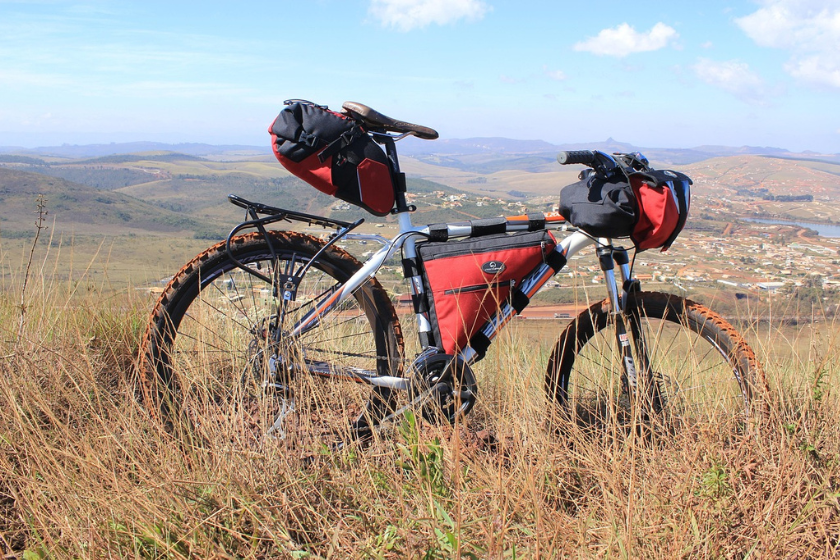
Before jumping on your bike for a weekend or a longer trip, we recommend that you prepare well.
Here are a few tips to help you plan your two-wheeled adventure and set off with peace of mind:
- Choose the right bike: make sure you have a bike that is the right size for you and suited to the route (hybrid, gravel, touring bike etc.). For long journeys, opt for a comfortable saddle and sturdy panniers.
- Plan your route carefully: locate accommodation, refreshment points and bike services (repair shops, tire inflation stations). If this is your first bike trip, start with a short journey and don't aim too high in terms of difficulty and distance.
💡
Several websites and apps are very useful for planning a cycling route, such as Cycle Travel, Komoot, Strava, Geovelo, etc. And don’t forget that France Vélo Tourisme remains the go-to website and offers several tools for planning a customized route.
- Assess your level: some cycle routes are completely flat, while others cross challenging terrain. Adapt the distances to your abilities and experience.
- Think about basic equipment: don't forget essential items such as a repair kit, a headlamp, technical clothing suitable for the weather, a water bottle, a first aid kit etc.
- Don't neglect safety: stick to marked trails, obey traffic laws, and plan regular breaks. Gloves and a well-fitting helmet are also recommended for your safety.
Find all our tips for getting started in cycle touring.
1. La Loire à Vélo: an unmissable classic

La Loire à Vélo is undoubtedly the most iconic cycle route in France. It follows Europe's last wild river from its source in Auvergne to the estuary at Saint-Nazaire.
The route is mostly flat, punctuated by a few hills, and is therefore suitable for all levels and families. The Loire à Vélo crosses a region rich in heritage: castles, abbeys, troglodytic caves, renowned vineyards and cities of art such as Orléans, Tours, and Nantes. It is a route accessible to all, perfect for a first long bike trip.
- Distance: approximately 900 km – 630 km between Nevers and the Atlantic Ocean and 270 km of loops and variations around the route.
- Recommended duration: 2 to 3 weeks (sections possible)
- Difficulty: easy to moderate
2. La Vélodyssée: coasting along the Atlantic
The Vélodyssée starts in Roscoff, crosses Brittany, and then runs along the Atlantic coast, alternating between greenways, coastal dykes and forest paths. From the Brittany coast to the beaches of the Basque Country, the route offers a mix of wild coves, endless dunes and lively little ports.
As you set off on the Vélodyssée, you will pass through a number of iconic sites such as Morlaix Bay, La Rochelle, the Gironde estuary, the Arcachon basin and Biarritz. The route is mostly flat, except for a few hills in Brittany and the Pyrénées-Atlantiques.
- Distance: 1,300 km from Roscoff to Hendaye
- Recommended duration: 1 week or more (sections possible)
- Difficulty: easy, suitable for families
3. The ViaRhôna: from Lake Geneva to the Mediterranean

The ViaRhôna follows the Rhône from the shores of Lake Geneva to the beaches of the Mediterranean. In the north of the route, you can enjoy superb alpine landscapes, between mountains and lakes.
Further south, you will cross the vineyards of the Rhône Valley, then the cities of Avignon and Arles, before reaching the Camargue and its famous pink flamingos. This “route of civilizations” offers a wide variety of landscapes and an impressive heritage, making it a rich and varied experience.
- Distance: 815 km
- Recommended duration: 1 to 2 weeks (sections possible)
- Difficulty: moderate
4. The Canal des Deux Mers: from the Atlantic to the Mediterranean
From Royan to Sète, this route combines several different environments. You will cycle along the Gironde estuary and its vineyards, then along the Canal de Garonne before joining the Canal du Midi, an engineering masterpiece listed as a UNESCO World Heritage Site.
Villages, locks, markets and terraces along the water's edge punctuate this journey, and provide opportunities for cultural or gastronomic breaks.
Good to know: the route is not fully developed on the Canal du Midi section, so read the stage descriptions carefully.
- Distance: 750 km
- Recommended duration: 10 to 15 days
- Difficulty: easy to moderate
5. La Véloscénie: from Paris to Mont-Saint-Michel

La Véloscénie connects Paris to the bay of Mont-Saint-Michel. After traveling through the Chevreuse Valley, you will cross the Beauce, the hills of the Perche, its forests, and picturesque villages.
Once in Normandy, the bocage and rivers will accompany you to the spectacular finish in front of the abbey of Mont-Saint-Michel. The terrain is a little more rugged than on the river routes, but without any major difficulties. In any case, the landscapes of the Véloscénie are definitely worth the extra effort!
- Distance: 450 km
- Recommended duration: 5 to 7 days
- Difficulty: moderate
6. La Vélo Francette: bucolic France
From Ouistreham to La Rochelle, La Vélo Francette crosses Normandy, Maine, Anjou, Poitou and the Marais Poitevin, before reaching the Atlantic. Comfortably seated on your bike, you'll fall in love with the medieval villages as you discover their impressive architectural heritage.
This route also takes you along peaceful rivers, through wide open natural spaces and to historic beaches. This cycle route perfectly reflects the spirit of “slow tourism” and the good life. It is ideal for those who like to take their time and want to savor the local cuisine.
- Distance: 630 km
- Recommended duration: 1 to 2 weeks
- Difficulty: moderate
7. EuroVelo 6: from Nevers to Basel
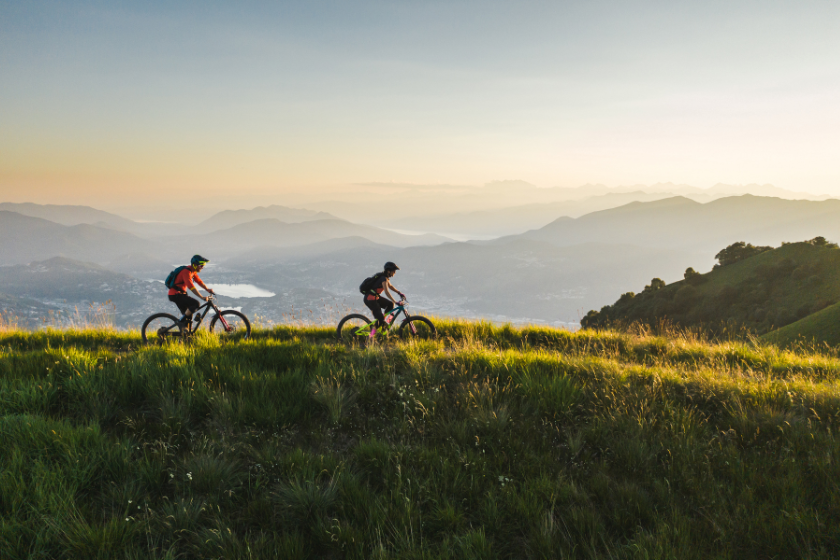
EuroVelo 6 crosses Europe from west to east, from the Atlantic to the Black Sea. In France, it is a river route divided into several sections: La Loire à Vélo and the section from Basel to Nevers. This part of the route takes you through varied landscapes including vineyards, forests and gentle mountains.
It is an ideal route for lovers of cultural discoveries. You will pass through many UNESCO sites (Vauban's fortifications, hilltop castles in Alsace etc.) and towns with a rich heritage such as Besançon and Mulhouse.
- Distance: 570 km
- Recommended duration: 1 week or more
- Difficulty: easy to moderate
8. La Vélomaritime: a breath of sea air
The Vélomaritime is the French section of EuroVelo 4, which connects Roscoff (France) to Eastern Europe. This branch follows the coast of the English Channel, connecting Brittany to the Flemish coast over a distance of 1,500 km. This cycle route offers impressive landscapes with cliffs, capes and breathtaking sea views.
Along the way, you will pass through legendary sites such as the Pink Granite Coast, Mont-Saint-Michel, the D-Day beaches, the cliffs of Étretat, and the Opal Coast. The route alternates between flat sections and hilly passages, with a significant proportion of shared paths.
- Distance: approximately 1,500 km
- Recommended duration: 2 to 4 weeks (or in sections)
- Difficulty: moderate to difficult (coastal terrain)
9. The Alsace Wine Route: in the heart of the hills
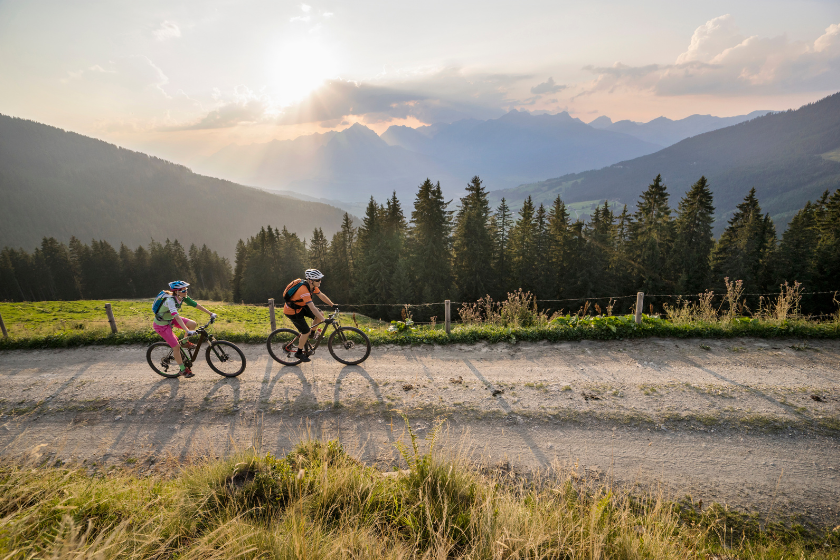
This cycle route follows the famous Alsace Wine Route, passing through picturesque villages and renowned vineyards. This iconic route immerses you in the magic of Alsace: you will pass through flower-filled towns such as Riquewihr, Kaysersberg and Eguisheim, and enjoy superb views of the Vosges and the Rhine plain.
The route is hilly, but remains accessible as long as you can manage the repeated small climbs. This itinerary is perfect for bon vivants, with its many gourmet and wine-tasting stops along the way.
- Distance: approximately 140 km
- Recommended duration: 2 to 4 days
- Difficulty: moderate (hilly terrain)
10. The Route des Grandes Alpes: a sensational crossing
We close this selection of cycle routes with one of the most demanding cycle itineraries in France. From Thonon-les-Bains to Nice, the Route des Grandes Alpes links around twenty legendary passes, some of which reach heights of over 2,500 meters (Iseran, Galibier, Izoard).
You will ride along mountain roads through breathtaking alpine landscapes: high-altitude lakes, forests, mountain villages, and scenic routes. But as you can imagine, this route is difficult and reserved for experienced cyclists looking for a sporting challenge.
- Distance: 700 km
- Recommended duration: 1 to 2 weeks
- Difficulty: difficult
🚴♂️
Good to know: this adventure can also be done on an electric bike, as there are numerous charging stations along the route. That said, even when using an e-bike, you need to be used to traveling by bike to tackle this route.
Ready to hit the road?

Cycle routes offer a multitude of experiences: long sporting journeys, family outings, gourmet or cultural itineraries. France is one of the best-equipped countries in Europe for cycle tourism, and its network is constantly expanding. Whether you're a beginner or an enthusiast, you're sure to find a route that's right for you.
So, where will your next two-wheeled adventure take you?
👍
Find all the routes crisscrossing France on France Vélo Tourisme.
Using the search filters, you can find the perfect route for you based on the type of route (one-way or loop), difficulty, duration, theme (forest, mountains, seaside, heritage etc.) or region.
Using the search filters, you can find the perfect route for you based on the type of route (one-way or loop), difficulty, duration, theme (forest, mountains, seaside, heritage etc.) or region.
💡
Other articles that might interest you:
> Home exchange: what else can you lend or exchange besides your home?
> Home exchanging and electric cars: best practices
> Where to Travel by Night Train in Europe? The Best Routes!
> Our Tips for Zero-Waste Holidays
> “Airplane Mode”: An Adventure Raising Awareness About Environmental Issues
> Home exchange: what else can you lend or exchange besides your home?
> Home exchanging and electric cars: best practices
> Where to Travel by Night Train in Europe? The Best Routes!
> Our Tips for Zero-Waste Holidays
> “Airplane Mode”: An Adventure Raising Awareness About Environmental Issues